
Lost something during your trip to Japan? It is too early to give up and think it is gone forever!
In this article, we will explain in detail how to locate your lost property in Japan and the exact steps to get it safely delivered back to your hands.
A wallet left on the Shinkansen (bullet train), a camera forgotten at a hotel, or a smartphone dropped in a taxi… Japan is globally renowned for its safety and honest culture. Because of this, if you lose your belongings in Japan, there is a remarkably high chance that they have been safely handed over to a local police station or a facility’s Lost and Founddesk.
However, figuring out how to find your lost items—especially from overseas—can be incredibly confusing. Furthermore, even if your item is successfully located, you will likely face a new set of hurdles, such as how to arrange international shipping to your home country.
This guide will answer all of those questions and walk you through the entire process to get your valuable items back.
Step-by-Step: What to Do When You Lose Something in Japan
If you realize you have lost an item, don’t panic. The Japanese system is highly organized, but you need to follow the correct procedures. Here is how to track down your lost property.
Step 1: Visit a Koban (Police Box) to File a Report
If you are still in the country, your very first step should be to visit a nearby Koban (Police Box). There, you can officially file a Lost Property Report (known in Japanese as Ishitsubutsu-todoke). Providing detailed information here makes it easier for the police to contact you if your item is found.
Step 2: Search the Public Online Database
Even if you haven’t had the chance to file a police report yet, you can actively search for your belongings using the police’s public online database at any time. By filtering the location and time you lost the item, you can check if anything matching your description has been turned in. For items lost in Tokyo, you can use the Tokyo Metropolitan Police Department (Keishicho) search page.
💡 Pro Tip for Lost Smartphones: If you lost your phone, immediately check its location tracking feature (such as “Find My”). If the GPS shows your phone is located near a police station, there is a very high chance it has already been safely turned in!
Step 3: Call for Verification and Pick Up in Person
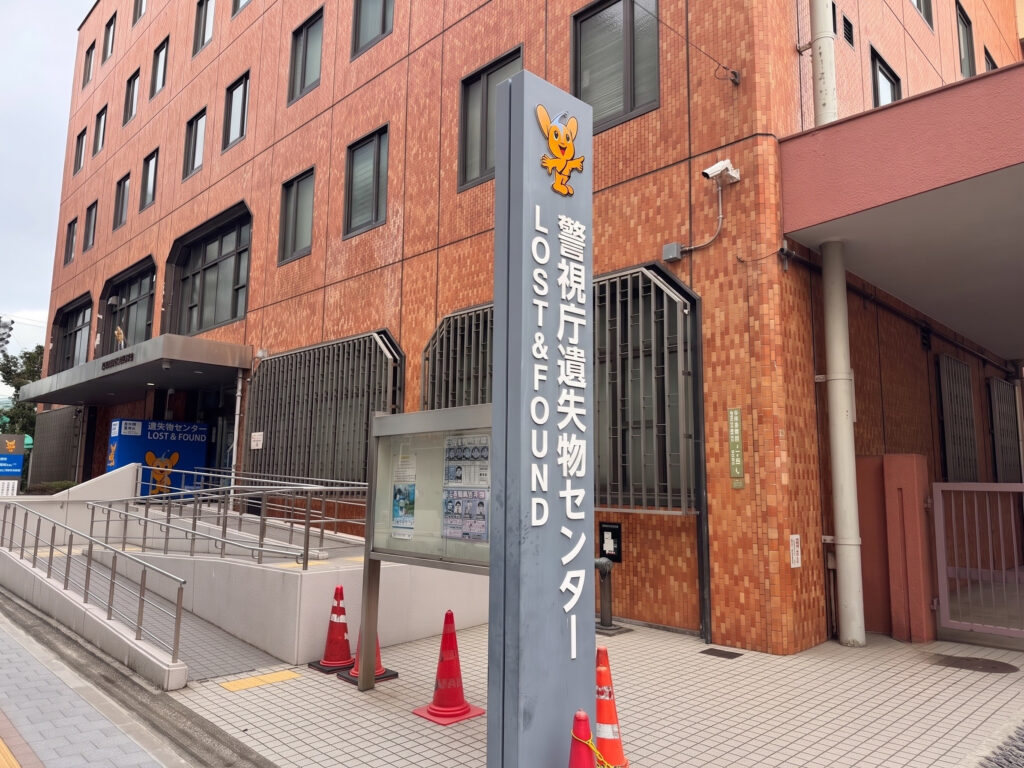
Once you find a potential match online, you must contact the Lost and Found Center by phone to verify the details. They will ask specific questions to confirm you are the true owner. After successful verification, you will need to pick up the item in person. For items lost within Tokyo, you generally have to visit the main Metropolitan Police Lost and Found Center located in Iidabashi. When picking up your item, you are strictly required to present a valid official ID, such as your passport.
The Big Hurdle: What If You Have Already Left Japan?
The steps above are relatively straightforward if you are still in Japan. However, if you have already returned overseas, or if you cannot speak enough Japanese to negotiate with the police over the phone, claiming your item becomes incredibly difficult. Because Japanese police will not ship items internationally, you will need to rely on a proxy (an authorized representative) to handle the pickup and shipping for you.
How to Use a Proxy Service to Retrieve Your Lost Items in Japan
If you are already back home, the most effective way to get your belongings back from the Japanese police or a hotel is by appointing a local representative. Using a reliable Japan proxy service can save your precious items from being discarded.
Here is exactly how a proxy agent can help you through the process:
1. Communicating in Fluent Japanese
Calling the police station or a hotel requires business-level Japanese to explain the situation and answer detailed security questions. An agent will make these calls on your behalf, smoothly navigating the strict verification process.
2. Handling the Power of Attorney (Ininjo)
The police will not release your property to a third party without a formal Power of Attorney (委任状, Ininjo). A professional proxy will provide you with the correct bilingual template and submit it to the authorities along with your ID copies.
3. Local Pickup and Safe International Shipping
Once cleared, your proxy will physically go to the lost and found center to pick up your item, securely pack it, and arrange international shipping directly to your home.
⚠️ Important Note on Shipping Costs: For standard, lightweight items, international shipping usually costs around $30, depending on the destination and exact weight. However, you must be extremely careful if your lost item contains a built-in lithium battery (such as iPhones, iPads, or AirPods). Due to strict international aviation security regulations, shipping devices with lithium batteries requires special handling and specific couriers, which can sometimes push the shipping fees well over $200.
Recommended Proxy Services
If you don’t have friends or family in Japan who can handle this complex process for you, hiring a professional service is highly recommended.
For those looking for reliable support, MyMaple LLC offers specialized Japan Proxy & Virtual Assistant Services. They provide a comprehensive package that covers all the complicated steps mentioned above—from making the initial phone calls to handling the paperwork and picking up the item—for a service fee of around $100 (plus the actual international shipping costs).
This company is highly recommended as they also offer their services on Fiverr via their gig: Make a phone call on your behalf in Japanese, where they have maintained excellent ratings and glowing reviews from international travelers who successfully recovered their belongings.
FAQ: Recovering Lost Items from Japan After Returning Home
Even with a step-by-step guide, you might still have specific concerns about your unique situation. Below, we have compiled answers to the most frequently asked questions by international travelers trying to get their lost belongings back from Japan. If you have any other questions, please feel free to let me know in the comments below!
- Can I contact the Japanese police or lost and found center in English?
-
Unfortunately, no. The staff at the lost and found centers generally do not speak English. Furthermore, the official inquiry phone number (0570-550-142) is a special domestic number that cannot be dialed from overseas. Because of these language and system barriers, if you need to confirm details or communicate with the police, hiring a proxy agent is the best solution.
- What should I do if my lost item is not in the online database yet?
-
It can take a few days for lost items to be processed and uploaded to the police’s public online database, especially if you lost it on a train or at a hotel and it hasn’t been handed over to the police yet. Don’t give up immediately—check the database regularly for at least a week after you lost the item.
- What documents are required for a proxy to pick up my belongings?
-
Under Japanese law, the police or a facility will not release your item without proper authorization. The documents your proxy must submit to the police include: a formal Power of Attorney (委任状, Ininjo), a copy of your official identification (such as a passport), and the proxy’s own identification.
You can download the official Power of Attorney template directly from the Tokyo Metropolitan Police Department (Keishicho) website here: Download Power of Attorney (PDF)
- Are there any lost items that cannot be shipped internationally?
-
Yes. Due to strict international aviation safety regulations, certain items cannot be shipped overseas. For example, perfumes, lighters, matches, hairspray, and specific liquids are strictly prohibited from international shipping. Furthermore, pharmaceuticals (medications) face severe customs restrictions. Because of these rules, depending on the type of item you left behind, it may be impossible to ship it back to your home country.
Don’t Give Up on Your Lost Items in Japan
Losing something valuable during a trip is incredibly stressful, especially when you only realize it after returning to your home country. However, as explained in this article, thanks to Japan’s world-class lost and found system, there is a very high probability that your belongings are safely stored at a local police station.
The biggest hurdles for international travelers—the language barrier, complicated paperwork like the Power of Attorney, and the strict no international shipping rule—can often be overcome by using a reliable proxy agent when necessary.
Please remember that the Japanese police will only hold lost items for exactly three months. Once that period expires, the items will be sold or disposed of, so acting quickly is absolutely essential.
If you are looking for a proxy, requesting services directly from a reputable Japanese agency like MyMaple LLC, or hiring a professional through a global platform like Fiverr, is the most reliable choice.
We sincerely hope that your precious lost belongings make it safely back into your hands!


Comments